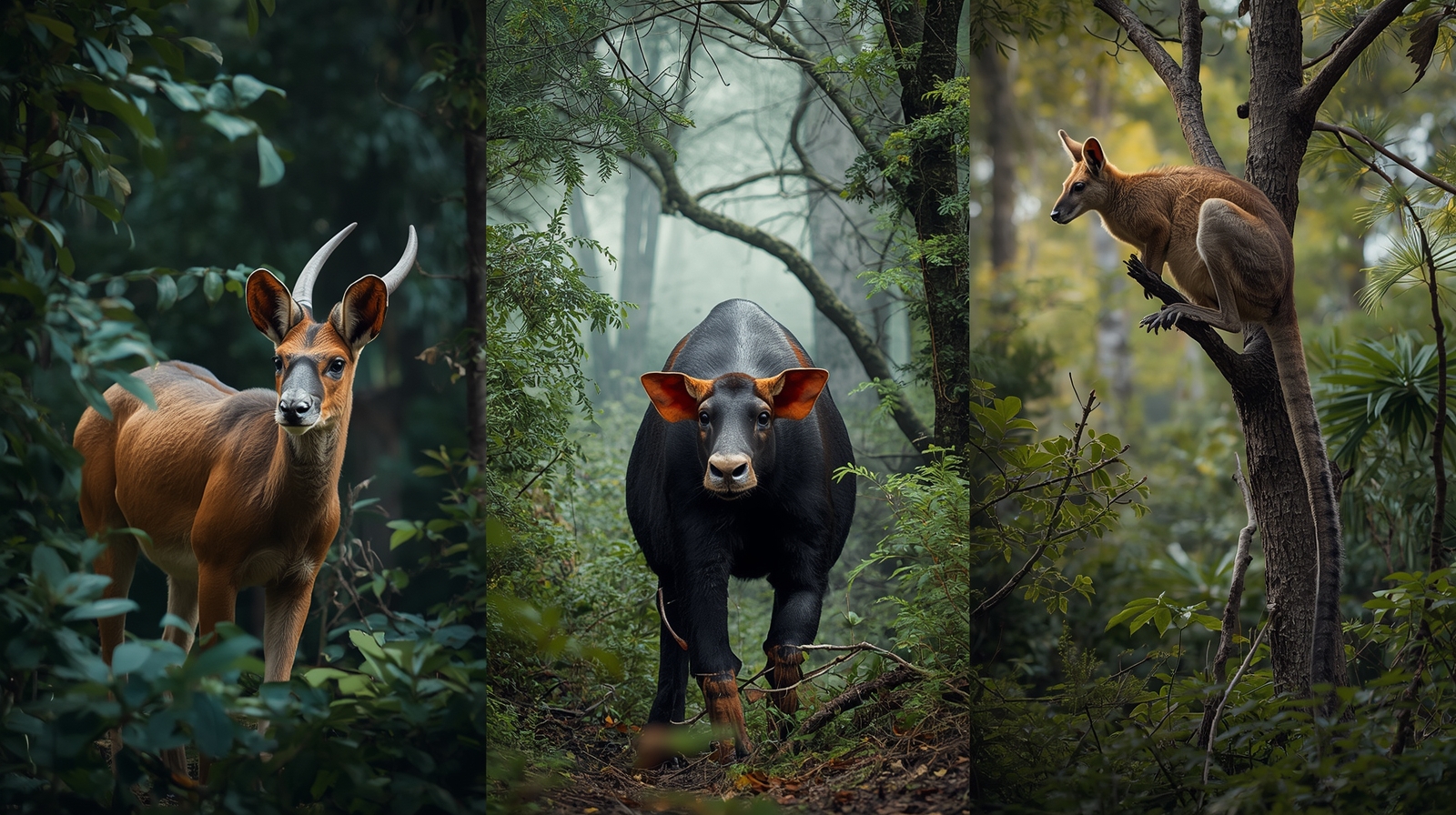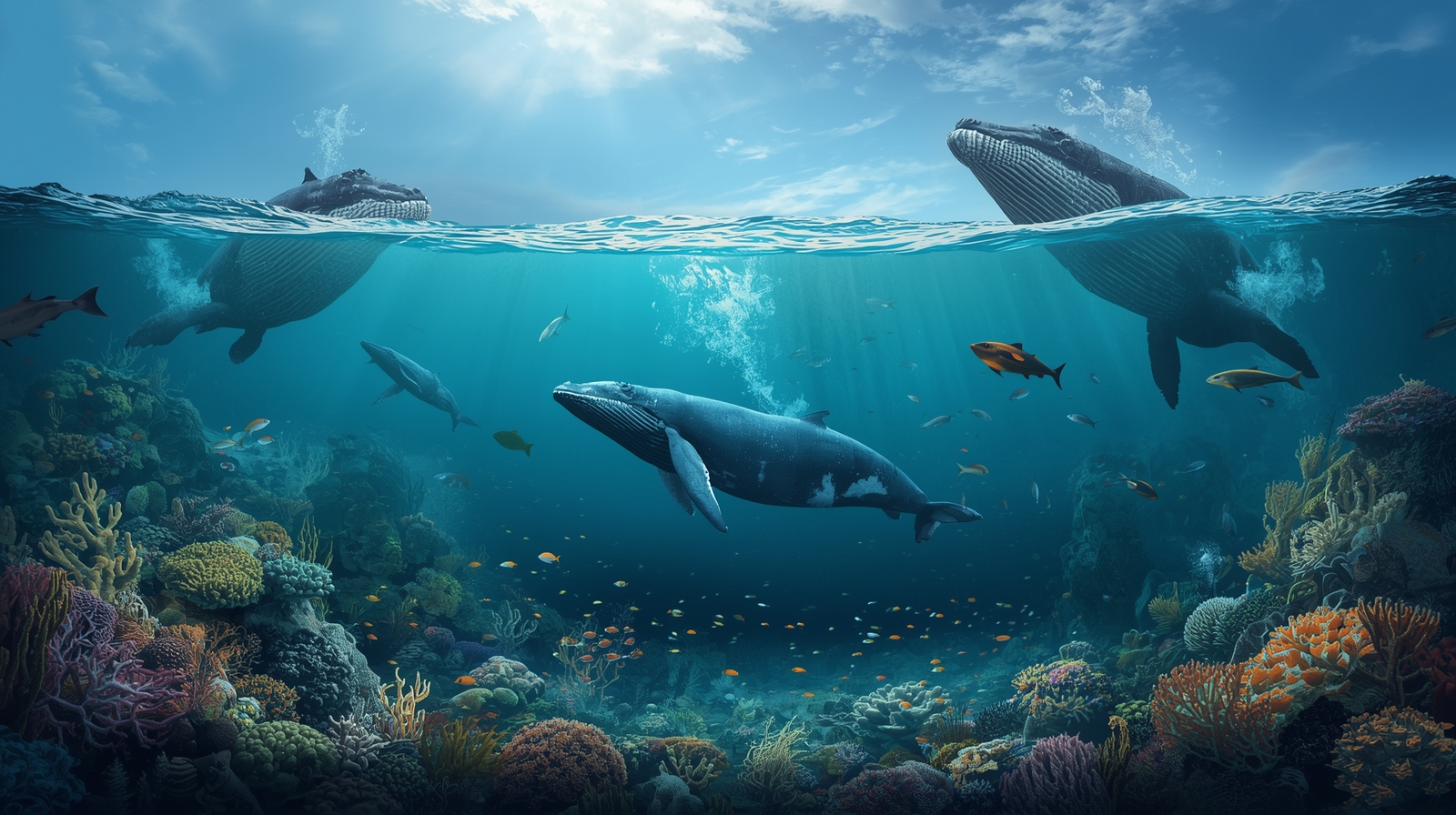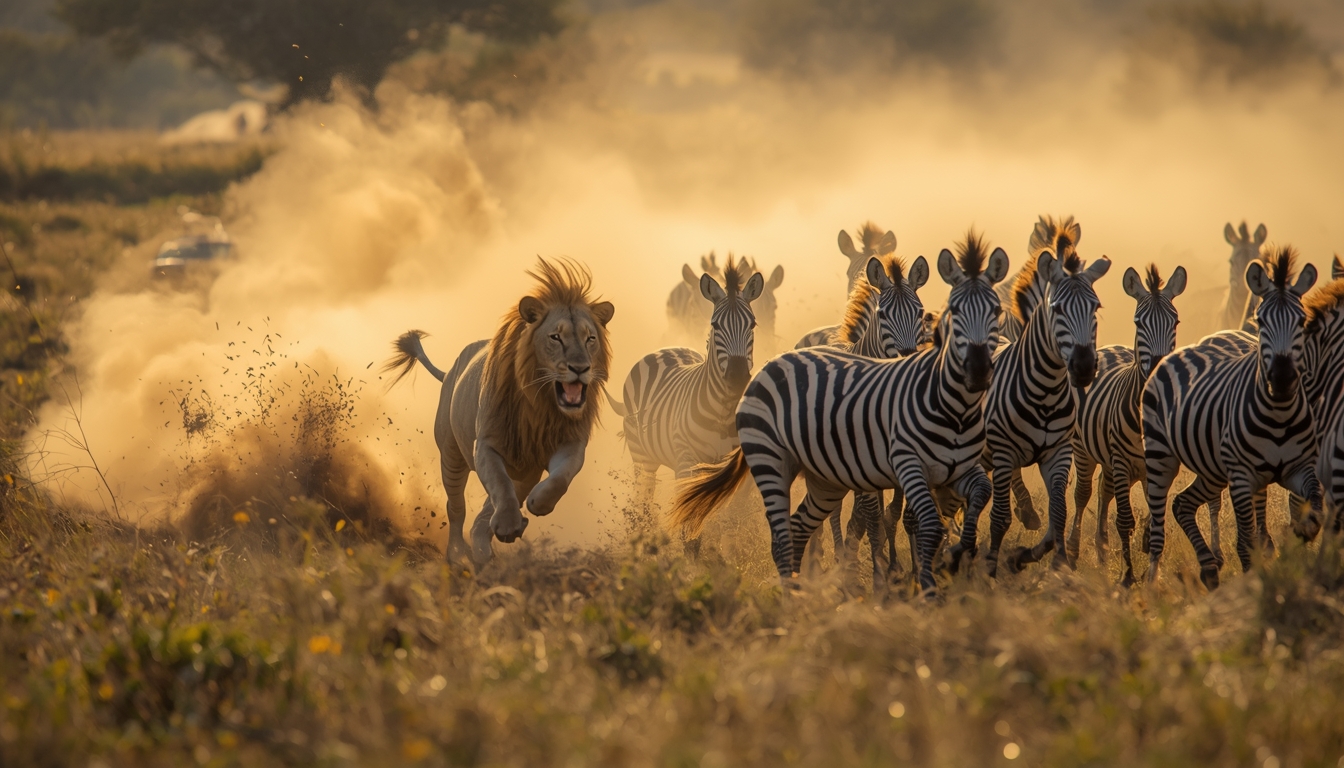
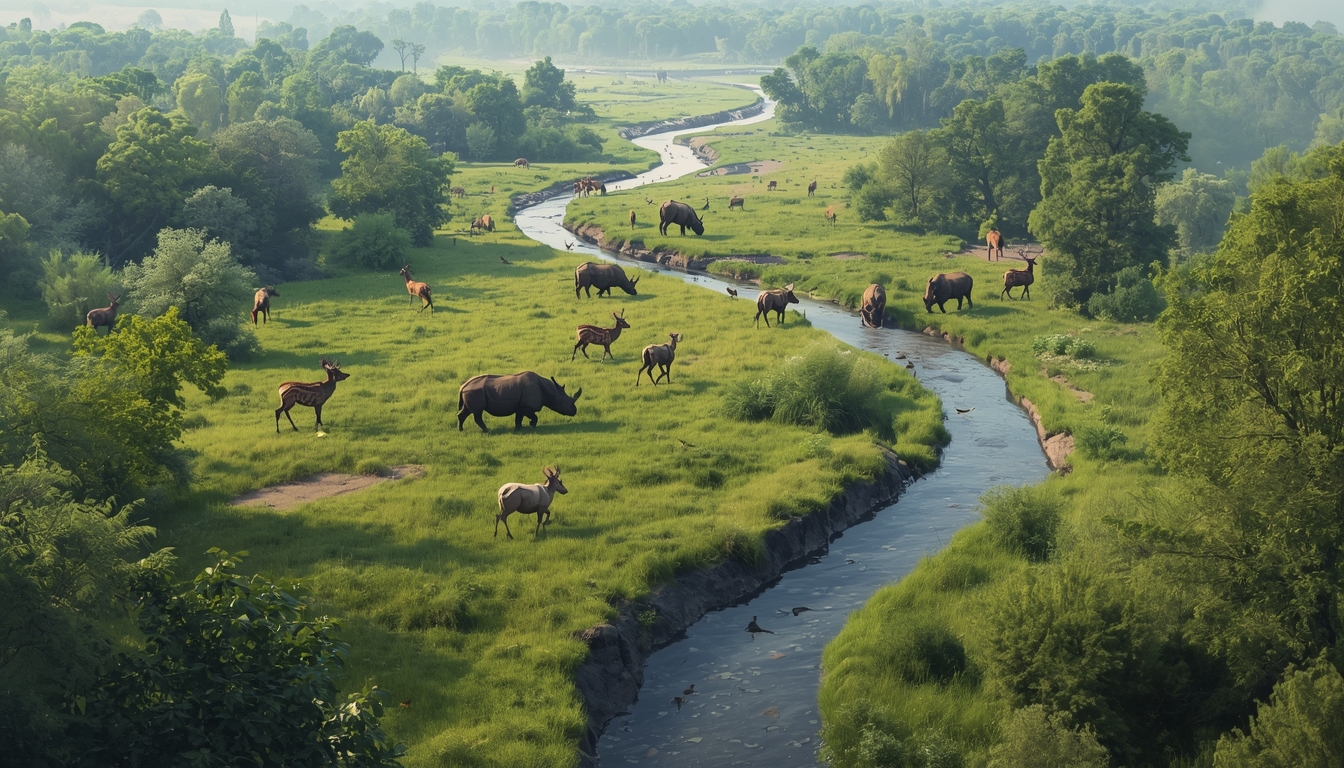
Understanding wildlife is essential for human societies to interact responsibly with nature. Observing animal behavior, ecological roles, and species interactions provides insight into ecosystem function and biodiversity. Knowledge of wildlife informs conservation strategies, supports sustainable development, and encourages respect for natural systems worldwide.
This article explores the importance of understanding wildlife, the benefits of biodiversity, threats to species, and global approaches to preservation.
Importance of Understanding Wildlife
Wildlife comprises all non-domesticated animals in terrestrial, freshwater, and marine ecosystems. Studying these species helps humans:
Identify ecological roles and interdependence.
Understand behavior, migration patterns, and reproductive cycles.
Recognize the impact of human activity on ecosystems.
Develop strategies for coexistence and resource management.
Understanding wildlife leads to informed decisions that reduce conflict and support ecological stability.
Wildlife and Ecosystem Function
Wildlife contributes to ecosystem function in several ways:
Predators regulate prey populations, preventing overgrazing or overpopulation.
Herbivores influence vegetation distribution and seed dispersal.
Pollinators support plant reproduction, ensuring food availability for humans and other species.
Decomposers recycle nutrients into soil, maintaining ecosystem productivity.
Loss of species can disrupt these functions, reducing ecosystem resilience and productivity.
Respecting Nature Through Observation
Studying wildlife encourages ethical interaction with natural systems. Humans learn to:
Avoid disrupting habitats and natural behaviors.
Implement sustainable resource use.
Recognize the value of species beyond economic benefit.
Respect for nature grows when humans appreciate the role of wildlife in supporting life and environmental stability.
Biodiversity and Its Global Significance
Biodiversity refers to the variety of species, genetic differences, and ecosystem types. High biodiversity enhances ecosystem resilience, allowing species to adapt to environmental change.
Diverse ecosystems provide clean water, fertile soil, and air purification.
Biodiversity supports food security through pollination, fisheries, and crop diversity.
Healthy ecosystems reduce disaster risk, such as floods, droughts, and soil erosion.
Understanding wildlife highlights the need to maintain biodiversity at local, national, and global levels.
Threats to Wildlife and Biodiversity
Wildlife faces threats from human activity and environmental change:
Habitat loss from urbanization, agriculture, and deforestation.
Pollution contaminating air, water, and soil.
Poaching and illegal trade targeting endangered species.
Climate change affecting migration, reproduction, and survival.
These threats reduce species populations and disrupt ecosystem services critical for human survival.
Conservation and Protection Strategies
Protecting wildlife requires coordinated action:
Protected areas preserve critical habitats.
Restoration programs repair ecosystems through reforestation, wetland recovery, and river rehabilitation.
Anti-poaching measures and law enforcement reduce illegal hunting and trade.
Community-based conservation involves local populations in sustainable resource use and protection programs.
Global cooperation ensures species with wide ranges or migratory patterns receive consistent protection.
Role of Research and Monitoring
Scientific research informs wildlife understanding and preservation:
Field studies document population trends, behavior, and habitat use.
Remote monitoring with cameras, drones, and GPS improves data accuracy.
Behavioral studies reveal intelligence, social structure, and survival strategies.
Research supports policy, conservation planning, and sustainable management practices.
Education and Public Awareness
Education about wildlife fosters respect for nature and biodiversity:
Schools, universities, and outreach programs provide knowledge about ecosystems.
Media campaigns and photography illustrate the importance of species and habitats.
Public awareness encourages responsible behavior and support for conservation initiatives.
Knowledge of wildlife encourages ethical interactions and long-term ecological responsibility.
Technology Supporting Wildlife Understanding
Technology enhances understanding and protection:
Remote cameras and camera traps document elusive species.
Drones monitor inaccessible habitats.
AI and data platforms analyze trends and predict threats.
Technology enables observation without disturbance and informs effective conservation strategies.
Global Initiatives for Biodiversity
International agreements and collaborations protect wildlife and ecosystems:
Convention on Biological Diversity (CBD) sets biodiversity targets.
CITES regulates trade of endangered species.
Collaborative research programs fund habitat protection and population recovery.
Global action ensures ecosystems and biodiversity remain intact across borders.
Long-Term Benefits
Understanding and protecting wildlife delivers benefits for humans and ecosystems:
Ecosystem services such as water purification, soil fertility, and climate regulation are maintained.
Sustainable resources for food, medicine, and materials are preserved.
Species conservation supports ecological resilience against environmental change.
Knowledge fosters informed decisions that align human development with ecological sustainability.
Conclusion
Understanding wildlife helps humans respect nature and preserve biodiversity globally. Observation, research, and education reveal the critical roles species play in ecosystems.
Protecting wildlife ensures ecological balance, supports human well-being, and maintains biodiversity for future generations. Immediate action and global cooperation are essential to sustain life on Earth.