Wildlife photography documents animal behavior, ecological interactions, and natural habitats across the planet. It provides insight into ecosystems, supports conservation, and records species that may otherwise go unnoticed. Photographers capture moments that reveal survival, movement, and interaction in ways that science and research alone cannot.
This article explores wildlife photography as a tool for understanding nature, its role in conservation, techniques used, and examples of global wildlife moments captured through lenses.
Understanding Wildlife Photography
Wildlife photography is the practice of recording images of animals in their natural environment. Unlike studio photography, it requires patience, observation, and adaptation to changing conditions. Photographers aim to document behavior without interfering with the animals.
It provides visual records that support research, environmental monitoring, and public awareness. Wildlife photography also contributes to education by showing species, habitats, and ecological processes that may be inaccessible to most people.
Importance for Conservation
Wildlife photography supports conservation by documenting species and ecosystems. Images provide evidence of species distribution, population trends, and habitat condition.
Photographs can highlight threats, such as habitat loss, climate impact, or illegal poaching. Visual documentation motivates policymakers, researchers, and the public to act. Photography campaigns often inspire conservation programs, fund initiatives, and raise awareness of endangered species.
Documenting Rare and Endangered Species
Wildlife photographers capture rare and endangered species to provide visual data for research and education. Species such as snow leopards, pangolins, vaquitas, and coelacanths have limited visibility. Photography supports monitoring programs by confirming presence and behavior.
Images reveal activity patterns, feeding behavior, migration routes, and social interaction. This data supports scientific study, population management, and habitat protection strategies.
Capturing Animal Behavior
Photography allows the study of animal behavior in ways that complement observation and tracking. Feeding, mating, hunting, and parental care are documented visually.
Behavioral records help scientists understand survival strategies, population dynamics, and ecosystem roles. Photography captures fleeting moments that would otherwise be missed, providing insight into life cycles and interaction.
Techniques in Wildlife Photography
Wildlife photography requires specialized techniques for accuracy and minimal disturbance:
Long lenses allow distance without interfering with the subject.
Remote cameras and camera traps capture nocturnal or elusive animals.
High-speed capture records fast movement like birds in flight or predator-prey interaction.
Camouflage and blinds enable close observation without detection.
Lighting and natural framing highlight environmental context without artificial setup.
These techniques ensure photographs reflect natural behavior and environmental reality.
Role of Technology
Modern technology enhances wildlife photography. Digital cameras, drones, and motion-activated devices expand reach and access. GPS tagging and telemetry allow photographers to track animal movement for planning.
Data from photographic studies complements field research, remote sensing, and population surveys. Technology allows documentation of extreme habitats like polar regions, deserts, deep oceans, and rainforests.
Ethical Considerations
Ethics in wildlife photography ensures the safety of both photographer and wildlife. Approaching animals too closely or altering their environment can cause stress or risk.
Photographers follow guidelines: maintain distance, avoid baiting or luring animals, minimize habitat disruption, and respect local regulations. Ethical practices ensure photography supports research and conservation without causing harm.
Iconic Wildlife Moments Captured Globally
Wildlife photographers document behavior and ecological processes worldwide. Examples include:
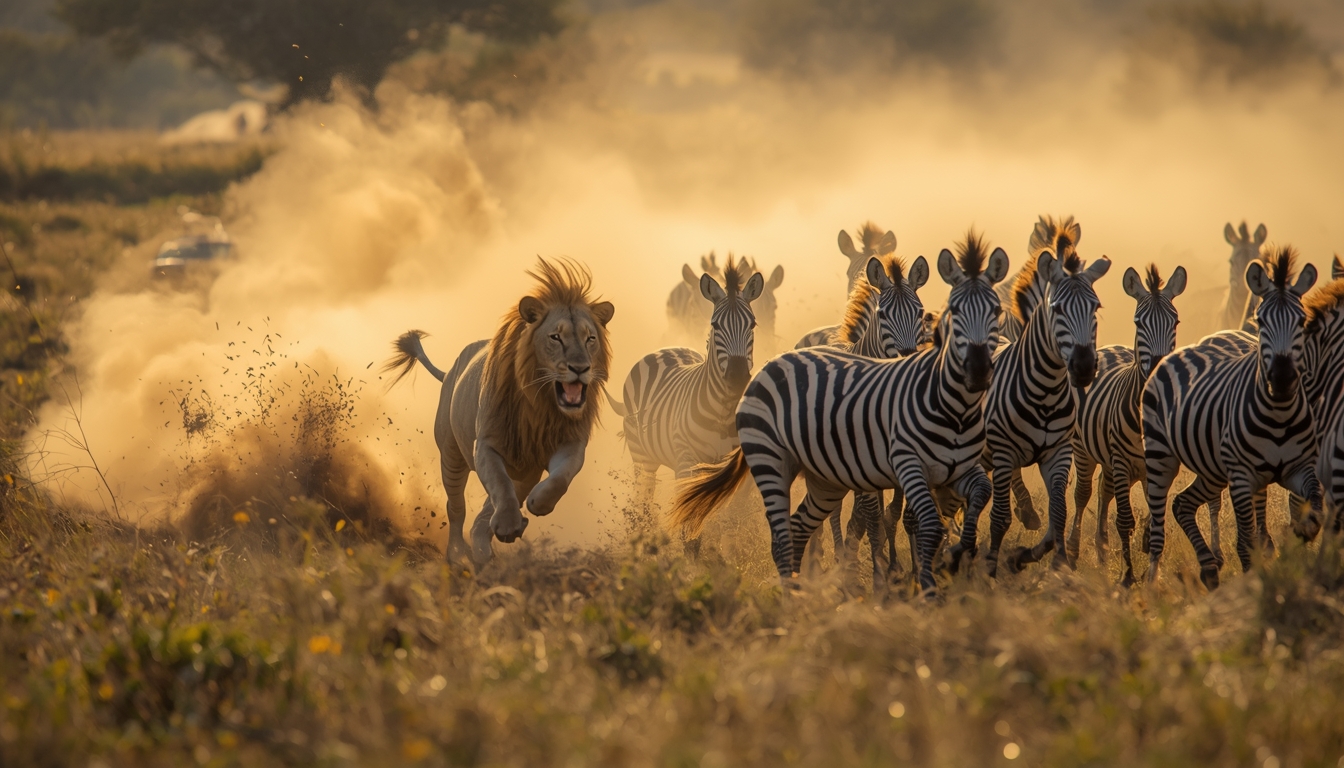
Predation events showing predator-prey interaction.
Migration of birds across continents.
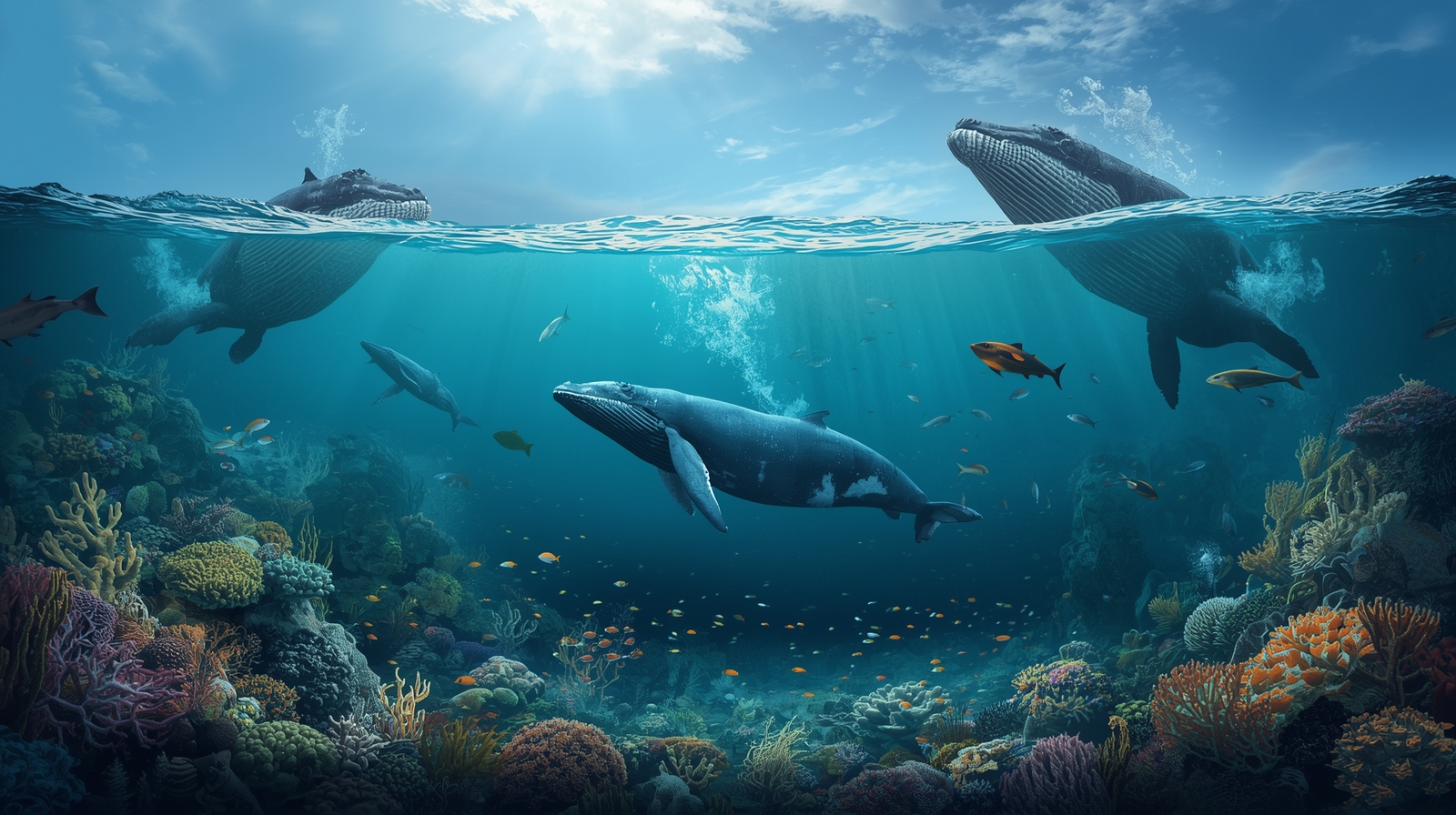
Marine mammals feeding and interacting in oceans.
Nesting and parental care among rare species.
Herd movement and interaction in savannas or forests.
These images provide evidence of life cycles, ecosystem health, and species interaction in real-world conditions.
Photography Supporting Research
Photographs are not only aesthetic but also functional for research. Images support species identification, population assessment, and monitoring of environmental changes.
Camera traps and remote photography are widely used to detect elusive species, record seasonal behavior, and observe nocturnal activity. These records inform conservation planning, policy, and habitat management.
Global Reach of Wildlife Photography
Wildlife photography occurs across all continents and ecosystems:
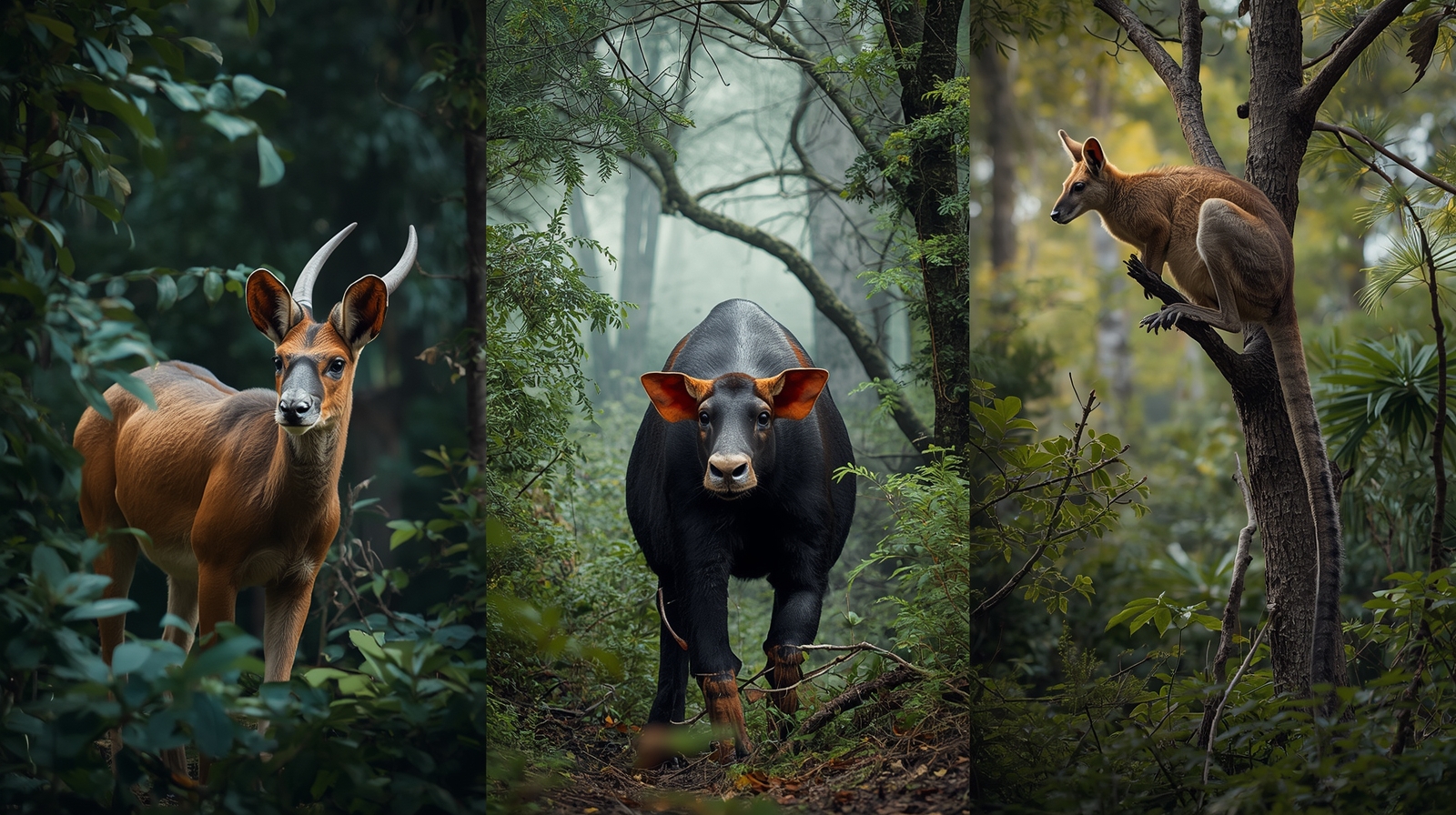
Forests: Documenting arboreal mammals, birds, and insects.
Savannas: Capturing herd dynamics, predation, and seasonal migration.
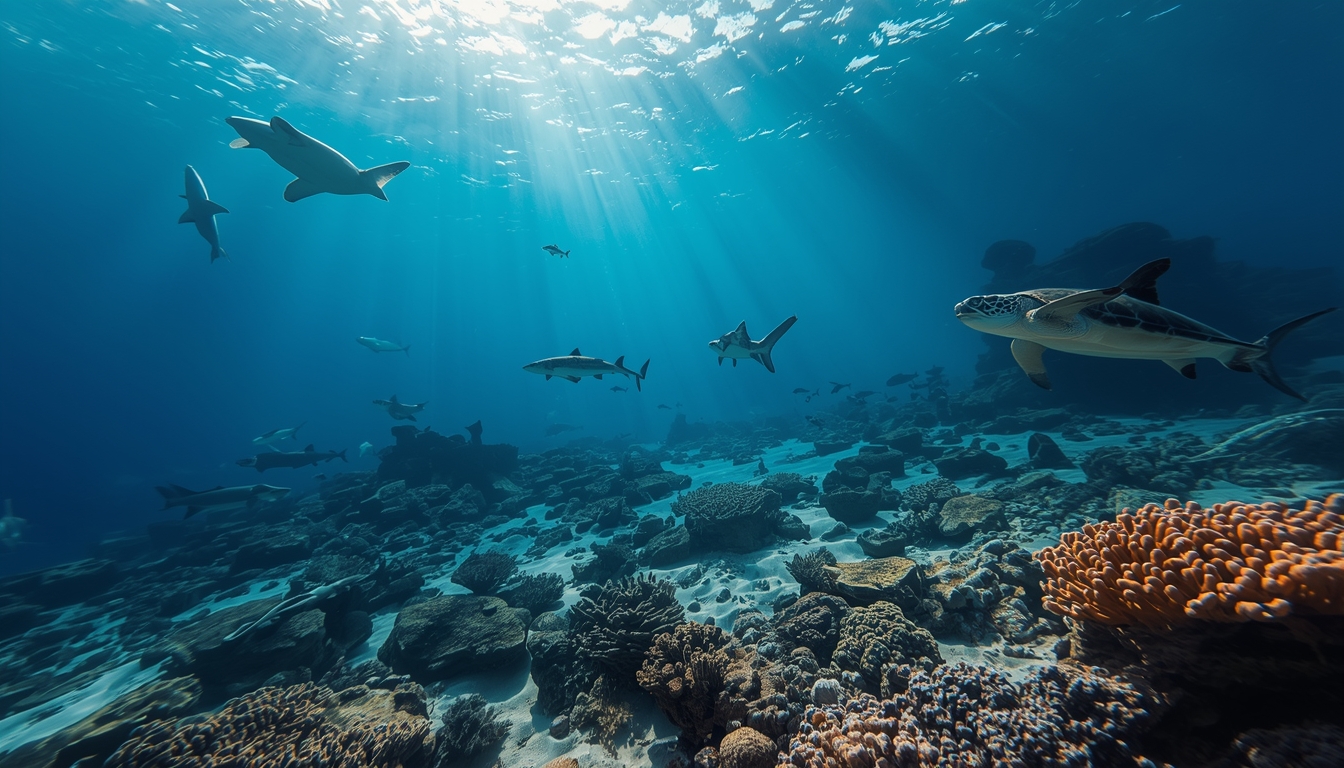
Oceans: Recording marine mammals, fish schools, and coral interactions.
Polar regions: Tracking survival adaptations of penguins, seals, and polar bears.
Deserts and mountains: Observing rare species adapted to extreme conditions.
This global coverage contributes to understanding biodiversity patterns and ecosystem function.
Wildlife Photography and Public Awareness
Photography brings remote wildlife into public view. Exhibitions, online galleries, and publications educate audiences about species, habitats, and conservation challenges.
Visual storytelling connects people to ecological systems, motivates behavioral change, and supports policy initiatives. Awareness campaigns often rely on compelling images to communicate scientific findings effectively.
Challenges in Wildlife Photography
Challenges include:
Unpredictable animal behavior and environmental conditions.
Difficult access to remote or extreme habitats.
Maintaining ethical standards while capturing images.
Weather, lighting, and technical limitations.
Overcoming these challenges requires skill, patience, and planning.
Collaboration with Scientists
Photographers often collaborate with researchers to document species and ecosystems. Joint projects ensure images contribute to scientific understanding.
Photographic evidence can confirm sightings, track population changes, and support habitat protection. Collaboration also allows photographers to gain ecological knowledge and context for accurate representation.
Impact on Conservation Funding
High-quality wildlife photography supports fundraising for conservation. Images raise awareness of endangered species and critical habitats.
Nonprofit organizations, wildlife programs, and research institutions use photography in campaigns to generate support and resources for protection projects.
Wildlife Photography as Education
Photographs are a key tool in education. Schools, universities, and outreach programs use images to teach ecology, species identification, and ecosystem interaction.
Students and the public gain visual understanding of biodiversity, population trends, and environmental challenges. Photography supports hands-on learning and engagement.
Future of Wildlife Photography
The future relies on ethical practice, technology integration, and conservation alignment. Drones, AI-assisted camera systems, and remote monitoring will expand access.
Photographers will continue to document critical ecological events, support research, and raise awareness of wildlife challenges worldwide.
Conclusion
Wildlife photography captures nature’s most powerful moments across the globe. It provides insight into species, ecosystems, and ecological processes.
Through observation, documentation, and ethical practice, photography supports research, conservation, and public education. Protecting wildlife and sharing its visual story ensures continued understanding of the planet’s ecological systems.